
Sheet and Tube Laser Cutting Services
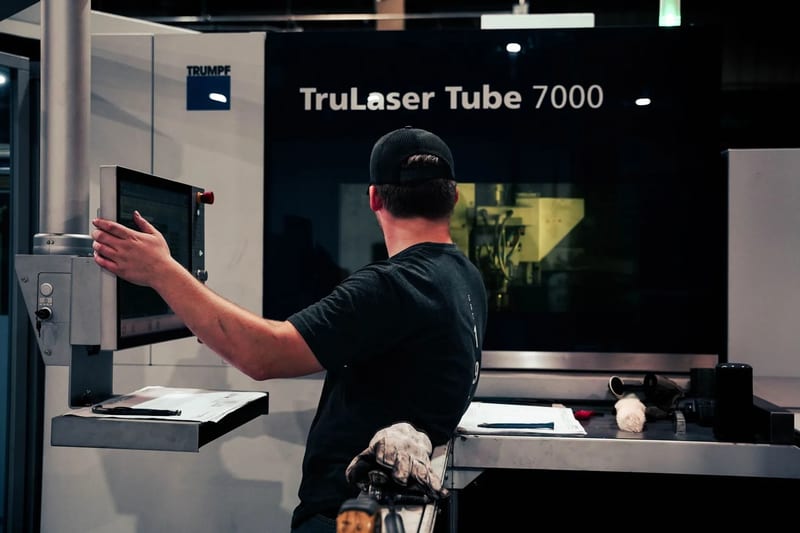
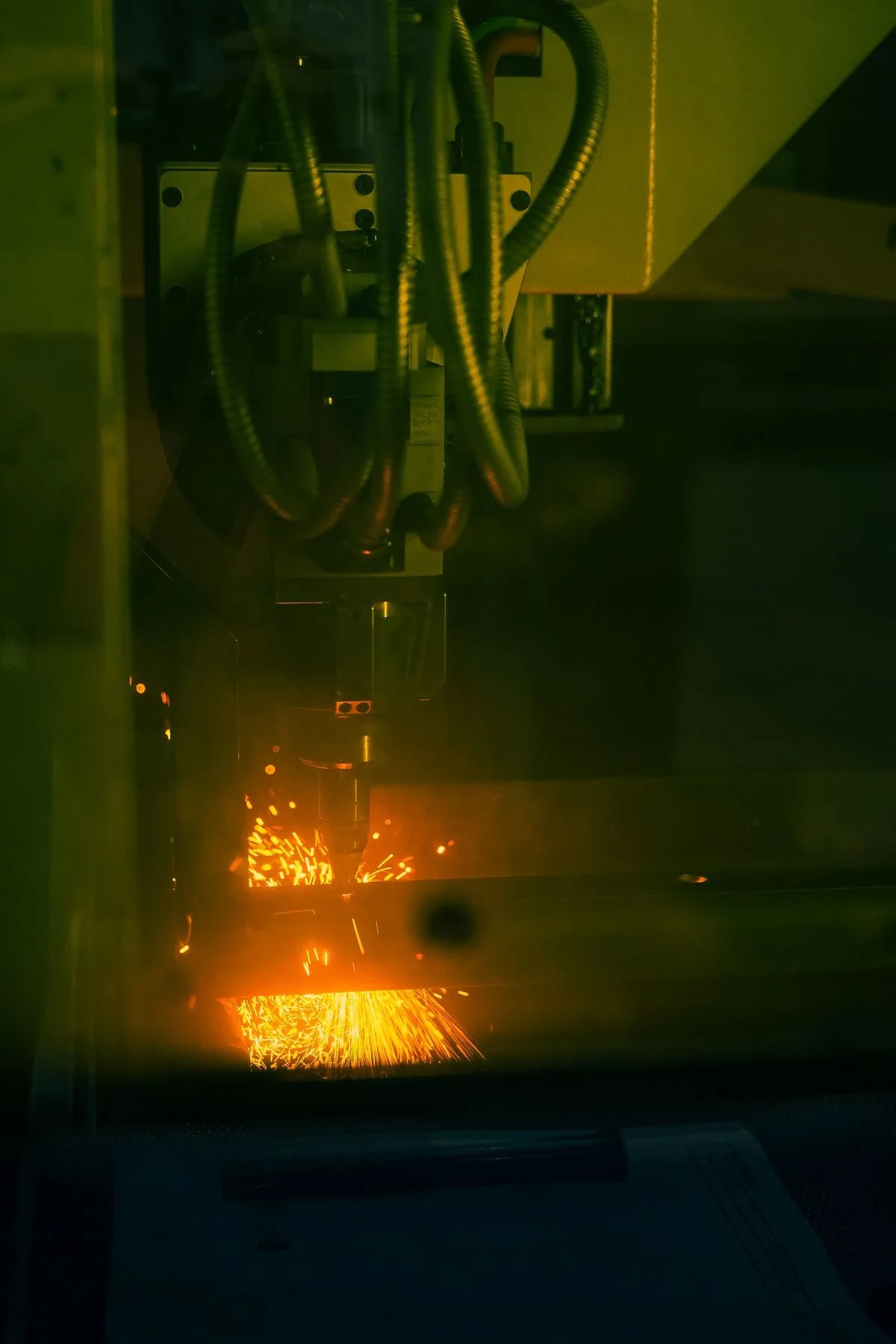
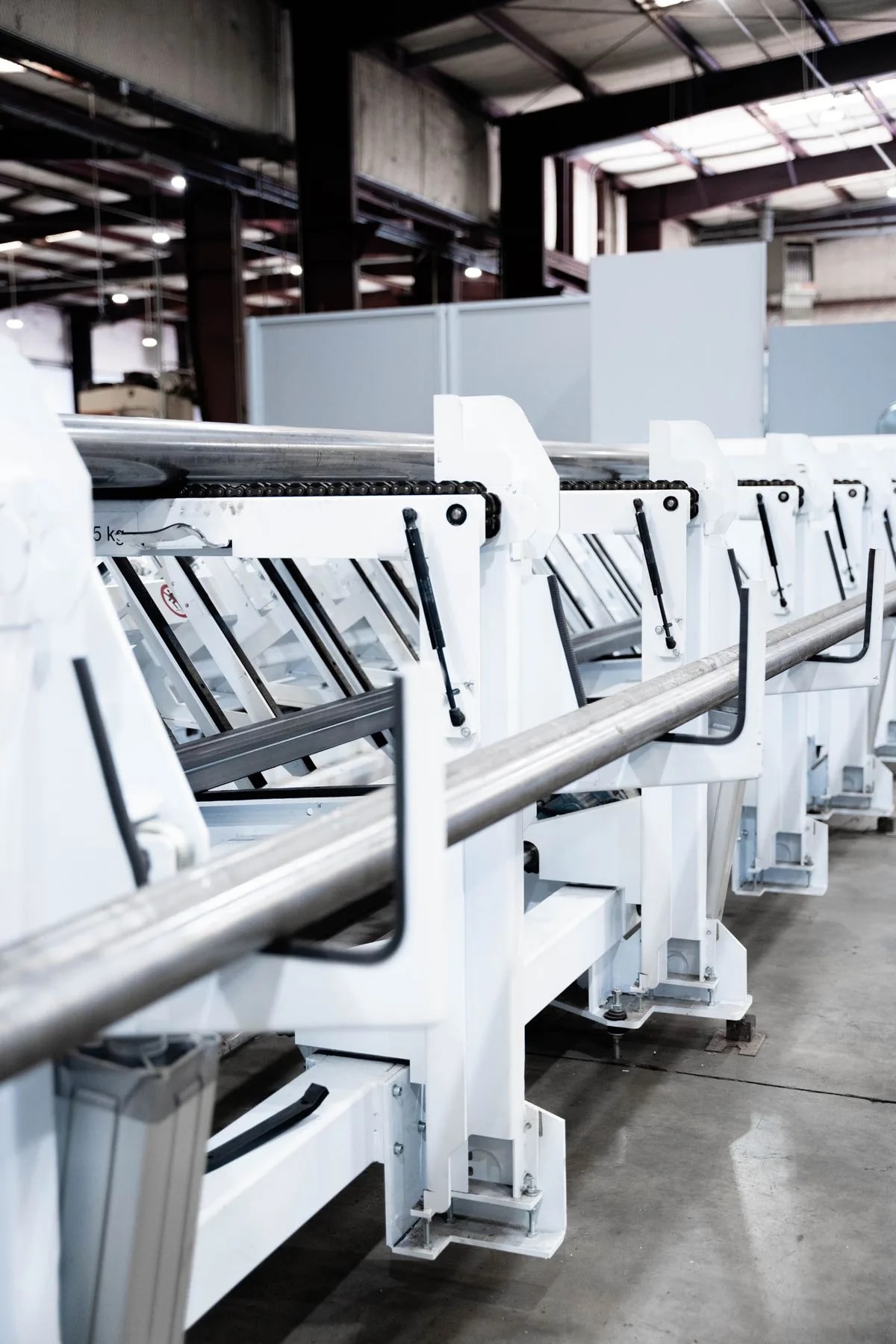
The Henry Group’s Greenville, Texas shop, about 50 miles northeast of Dallas, runs two 6 kW TRUMPF fiber lasers that cut carbon steel, stainless and aluminum: a TruLaser 1040 for flat sheet and plate, and a TruLaser Tube 7000 for tube and profile. Press brake forming, CNC machining and welding are in the same building, so parts can leave as flat blanks or as finished assemblies.
Laser Specifications
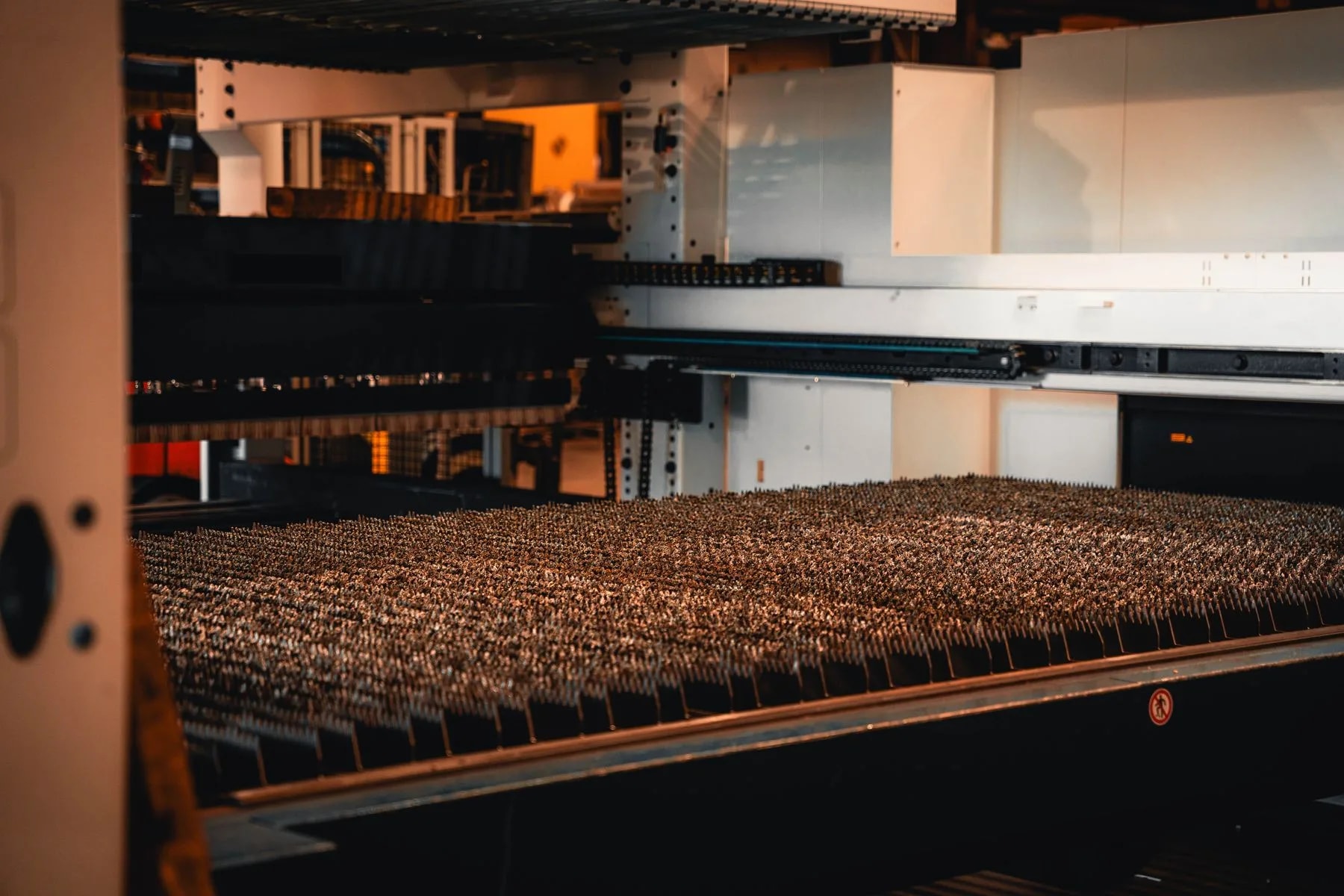
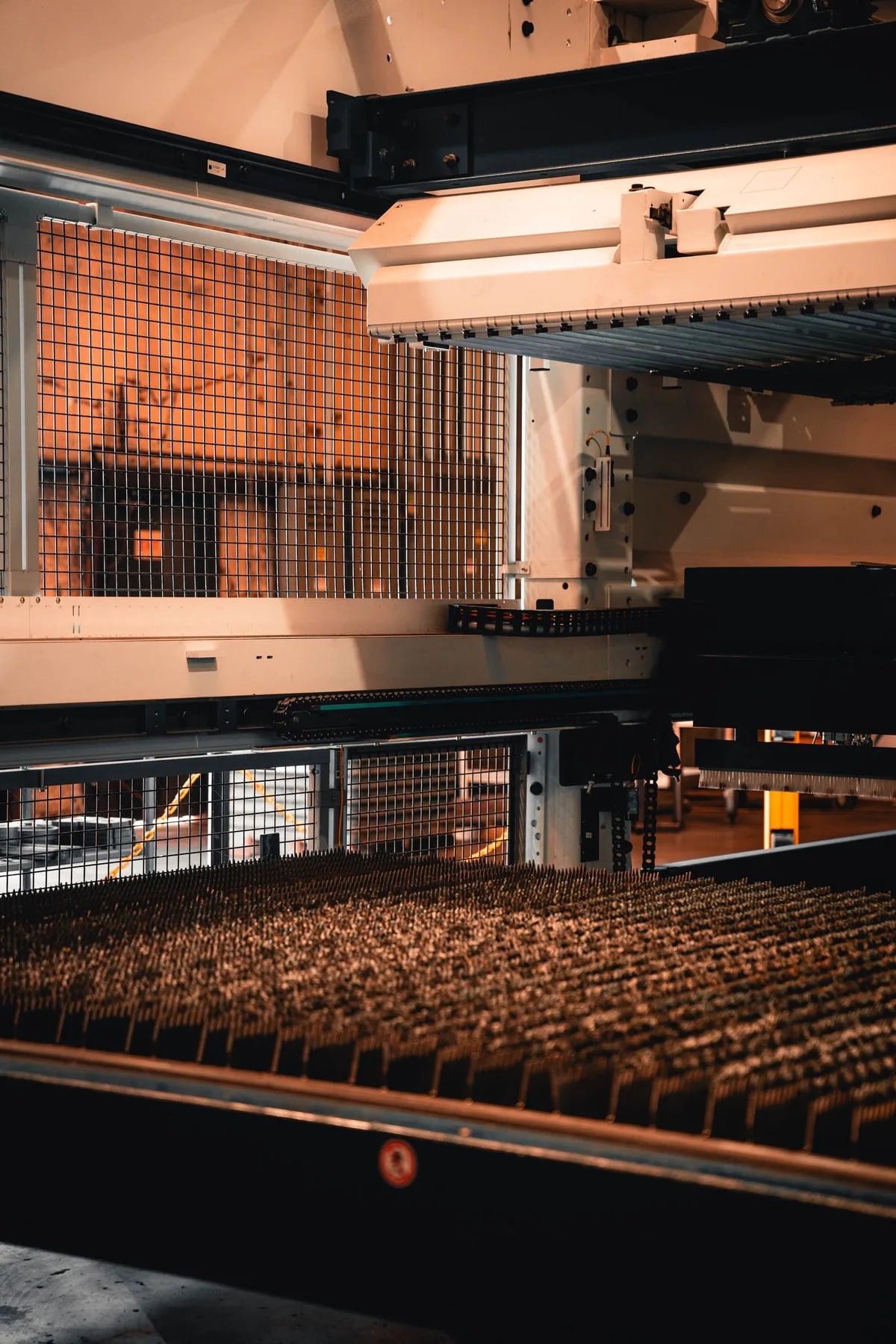
TRUMPF TruLaser 1040: flat sheet and plate
- 6 kW fiber laser
- Sheet up to 72 x 144 in, the standard 6 x 12 ft plate
- Maximum thickness: mild steel 1 in, stainless 5/8 in, aluminum 3/4 in
- A TRUMPF LiftMaster Compact loads raw sheet and unloads cut parts, so the laser keeps cutting between operator passes
TRUMPF TruLaser Tube 7000: tube and profile
- 6 kW fiber laser
- A 10 in envelope, up to 20 ft long, with walls up to 1/2 in
- The 10 in is the circle the section turns inside: roughly 7 in square tube, or 6 x 8 in rectangular tube
- Round, square and rectangular tube, angle and channel, with length, copes, holes, slots and weld prep cut in one operation
Why the Tube Laser Matters
When the copes and the hole pattern are cut into the tube, the weldment locates itself. Frames come out square, fit-up time drops and distortion drops with it. On a repeating run of containment frames or rack bases, that is most of the cost difference.
Files, Nesting and Marking
- A DXF for flat parts and a STEP file for tube and profile is ideal. A dimensioned PDF print or a clear sketch works too: our engineers on staff draw it and send it back for your sign-off before cutting.
- Parts are nested for yield, and you see the nest before you commit to a run.
- Part numbers, bend lines and orientation marks can be etched into the blank, so similar brackets don’t become a sorting problem on your dock.
- Bevels, copes and tab-and-slot joints can be cut in, so the assembly squares itself for your welders or ours.
Forming, Machining and Welding in the Same Building
Cutting is rarely the last step. Parts go from the laser to the 12 ft press brake, to Haas CNC machining (a VF-3 vertical machining center and ST-20Y and ST-35Y turning centers), and to welding without leaving the building. A flat blank can ship as a blank or as a finished, welded bracket, panel or enclosure. See custom fabrication for assemblies, and installation is available as a separate service.
Small Batches: You Sketch We Cut
For a few laser-cut parts or a small batch, You Sketch We Cut is the faster route. It is THG’s own sketch-to-part service, running out of the same Greenville, Texas shop: send a sketch or drawing at yswecut.com and the team prepares a quote. Come to THG directly when the job also has to be formed, welded into larger assemblies, or installed.
Common questions
What materials can you cut?
Carbon steel, stainless and aluminum, in flat sheet and plate as well as tube and structural profile. THG keeps A36 carbon steel, 304 and 316 stainless, and 5052 and 6061 aluminum in stock or can get them quickly, with sheet from thin gauge up to 3/4 in usually on the rack. Round and square tube vary and are usually ordered in for the job.
What is your maximum sheet size and thickness?
The TruLaser 1040 runs sheet up to 72 x 144 in, a standard 6 x 12 ft plate. Maximum thickness is 1 in in mild steel, 5/8 in in stainless and 3/4 in in aluminum.
What size tube and profile can you cut?
Up to a 10 in envelope, 20 ft long, with walls up to 1/2 in. For square and rectangular tube the diagonal has to fit, so roughly 7 in square or 6 x 8 in rectangular. Send the section and length and we confirm it before you commit to material.
Do I need a DXF or CAD file?
No. A DXF for flat parts or a STEP file for tube is ideal, but a dimensioned PDF print or a clear sketch works too: our engineers on staff draw the part and send it back for your sign-off before anything is cut.
Can I have parts cut only, and weld them myself?
Yes. Many customers buy blanks for their own shop. We nest, cut, deburr and mark them, and cut tab-and-slot joints if you want the assembly to square itself up.
Can the lasers feed a data center build?
Yes. Containment panels, cable tray and ladder rack components, bracket and hanger runs, enclosure blanks and the tube frames that carry them. See data center fabrication.
Have a drawing to price?
Send the drawing, the material, the quantity and the date you need parts on your dock. No drawing? Our engineers on staff can draw it.